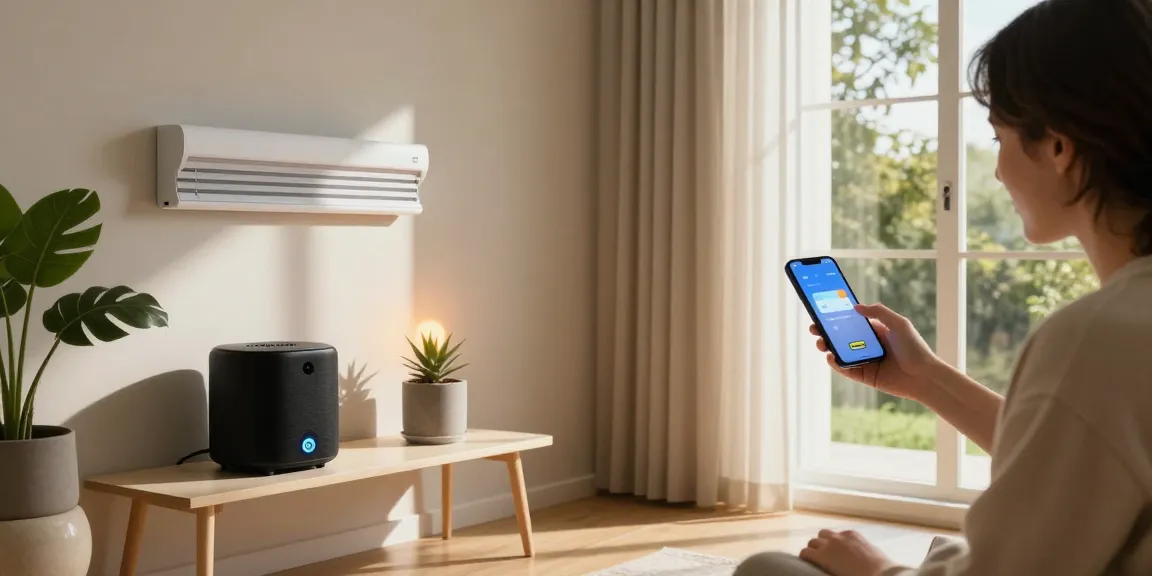
Understanding the IKEA Smart Home Ecosystem
The IKEA smart home is an innovative approach to integrating technology into everyday living spaces, making daily routines more efficient and enjoyable. By leveraging a range of interconnected devices, IKEA aims to enhance comfort, security, and energy management in homes. This system is designed to be user-friendly and accessible, allowing even those new to smart technology to create a cohesive smart environment.
What is IKEA Smart Home?
IKEA's smart home offering includes a variety of products designed to work harmoniously together. These devices range from smart lighting and blinds to sensors and speakers, all controlled through the IKEA Home Smart app. The goal is to provide a seamless user experience that enhances daily life while being budget-friendly. IKEA's commitment to sustainability also means that many of these products focus on energy efficiency, helping users reduce their carbon footprint.
Key Features of IKEA Smart Home Devices
- Smart Lighting: Users can control brightness, color, and schedules through the app or voice commands, creating the perfect atmosphere for any occasion.
- Automated Blinds: Smart blinds can be programmed to open and close based on time of day or sunlight, contributing to energy savings and privacy.
- Smart Sensors: These detect movement, temperature, and light levels, providing useful data that can enhance comfort and security.
- Integration with Voice Assistants: Products are compatible with major voice assistants like Amazon Alexa and Google Assistant for hands-free control.
Compatibility with Other Smart Home Systems
One of the significant advantages of the IKEA smart home system is its compatibility with other smart home platforms. IKEA has adopted the Matter protocol, allowing its devices to connect with products from other brands easily. This integration facilitates a more cohesive smart home experience, enabling users to mix and match devices without concern for compatibility issues.
Setting Up Your IKEA Smart Home
Step-by-Step Installation Process
Setting up IKEA smart home devices is straightforward. Each product comes with detailed installation instructions. Users typically need to install the IKEA Home Smart app, connect the devices via Bluetooth or Wi-Fi, and follow the on-screen prompts. Most devices can be set up in minutes, making it easy for anyone to get started.
Connecting Devices to the IKEA Home Smart App
The IKEA Home Smart app serves as the central hub for managing all connected devices. Users can create custom settings, control devices remotely, and set routines for different times of the day. The app is designed to be intuitive, with features that allow users to customize their experience based on personal preferences.
Tips for Optimizing Device Placement
To get the most out of your IKEA smart devices, consider the placement of each item carefully. For example, when installing smart lighting, position bulbs where they can provide maximum illumination while avoiding direct glare. Similarly, place sensors in high-traffic areas to ensure they can function effectively.
Integrating IKEA Smart Home with Everyday Life
Creating Routines and Automations
One of the standout features of the IKEA smart home ecosystem is its ability to create routines. For instance, you can set your lights to gradually brighten in the morning to simulate a natural sunrise, making waking up more pleasant. Automations can also link multiple devices, such as opening the blinds when the sun rises or turning on security lights when movement is detected.
Managing Your Home Environment Efficiently
With smart devices connected, users can manage their home environment efficiently. For example, smart thermostats can learn your heating and cooling preferences, adjusting temperatures based on occupancy and time of day. This not only provides comfort but also optimizes energy usage, which can lead to lower utility bills.
Using Voice Commands for Ease of Access
Integrating voice control with IKEA smart devices enhances convenience. Users can issue commands such as “turn on the living room lights” or “set the bedroom temperature to 72 degrees” without needing to reach for their smartphones. This hands-free approach is especially beneficial when multitasking or when family members require assistance.
Challenges and Solutions in IKEA Smart Home
Common Issues and Troubleshooting Tips
As with any technology, users may encounter challenges with their IKEA smart home devices. Common issues include connectivity problems and device unresponsiveness. Many of these issues can be resolved through simple troubleshooting steps such as resetting devices, checking Wi-Fi connections, or ensuring the latest software updates are installed.
Maintaining Device Connectivity and Performance
For optimal performance, it's crucial to maintain a stable network connection. Ensure that your Wi-Fi router is positioned centrally in your home to provide strong signals. Additionally, users should periodically review device settings within the IKEA Home Smart app to ensure that performance remains on par with expectations.
Understanding Software Updates for Enhanced Functionality
IKEA continually releases software updates for its smart home devices, enhancing functionality and security. Users are encouraged to enable automatic updates in the IKEA Home Smart app to ensure they benefit from the latest features and improvements without manual intervention.
Future Trends in Smart Home Technology
What to Expect from IKEA Smart Home Innovations by 2026
As we look towards 2026, IKEA is expected to expand its smart home product lineup significantly. Innovations may include more advanced AI integration, enabling devices to learn user habits and preferences more intuitively. Additionally, the focus on sustainable technology and energy efficiency will likely intensify, aligning with global environmental goals.
Insights on Sustainability and Energy Efficiency
IKEA has positioned itself at the forefront of sustainable technology by developing smart products that not only enhance convenience but also promote energy conservation. Expect to see more devices equipped with features that monitor energy usage, allowing users to make informed decisions that contribute to a greener home.
How Emerging Technologies Will Change Your Smart Home
The integration of emerging technologies, such as machine learning and IoT (Internet of Things) advancements, will revolutionize smart homes. These innovations will lead to enhanced automation, improved user interfaces, and more interconnected systems that will enrich the overall smart home experience.
What smart home products does IKEA offer?
IKEA offers a wide range of smart home products including smart lighting, blinds, speakers, sensors, and security cameras. Each device is designed to integrate seamlessly with the IKEA Home Smart app, providing users with a comprehensive smart home experience.
Are IKEA smart home devices compatible with other brands?
Yes, many IKEA smart home devices are compatible with other smart home brands through the Matter protocol. This allows users to connect and control devices from different manufacturers, enhancing the versatility of their smart home ecosystem.
Can I control IKEA smart home devices remotely?
Absolutely! The IKEA Home Smart app allows users to control devices remotely from their smartphones, ensuring flexibility and convenience whether at home or away.
How do IKEA devices improve energy efficiency?
IKEA smart home devices improve energy efficiency through automation and real-time monitoring. Devices like smart thermostats and lighting systems can adjust based on usage patterns, significantly reducing unnecessary energy consumption.
What future updates can we expect for IKEA smart home products?
Future updates for IKEA smart home products are expected to enhance compatibility, security, and user experience. Innovations may include improved AI functionalities, user interface upgrades, and added features that promote energy efficiency.