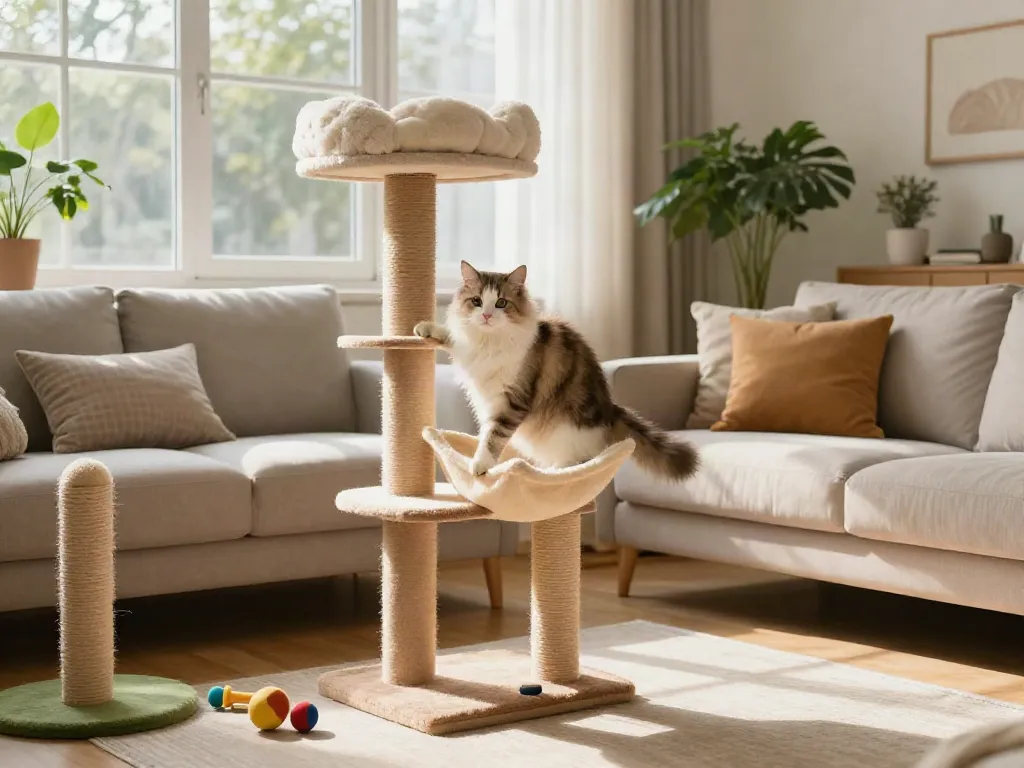
Understanding the Importance of a Cat Tree
For many cat owners, ensuring their feline companions lead happy and enriched lives is a top priority. One such essential piece of equipment that contributes to a cat’s well-being is the cat tree. These ingenious structures provide a dedicated space for climbing, scratching, and lounging, catering to the natural instincts of cats. Understanding the role of cat trees in a cat's daily life can enhance both the owner's experience and the pet’s happiness.
Why a Cat Tree is Essential for Your Cat's Happiness?
Cats are inherently curious and active creatures. A cat tree offers them a vertical space to explore, climb, and observe their surroundings, which can alleviate boredom and provide mental stimulation. This is especially important in multi-pet households or apartments where space may be limited. By allowing cats to engage in natural behaviours such as climbing and scratching, cat trees contribute significantly to their overall happiness and well-being.
Common Misconceptions About Cat Trees
Despite their numerous benefits, many potential cat tree owners harbour misconceptions. One common belief is that only large, multi-level trees are suitable for cats. However, even smaller models can provide significant engagement for less active or elderly cats. Another misconception is that cat trees are merely luxury items. In reality, they serve essential functions in a cat's life, such as promoting exercise and preventing destructive behaviours.
Benefits of Cat Trees for Home Environments
The advantages of having a cat tree extend beyond feline enjoyment. They also help protect your furniture and belongings by providing a designated scratching area. Additionally, many cat trees are equipped with cozy hideaways, which give cats a place to retreat when they feel stressed or overwhelmed. This can lead to a more harmonious home environment, reducing potential conflicts between pets.
Choosing the Right Cat Tree for Your Feline Friend
Selecting the appropriate cat tree can feel overwhelming given the vast array of options available. Understanding the specific needs of your cat and your home environment is essential in making the right choice.
Factors to Consider When Selecting a Cat Tree
When choosing a cat tree, consider your cat's age, size, and activity level. Active cats may benefit from taller structures with multiple platforms, while older or less mobile cats might prefer a more accessible design. Additionally, observe your cat's behaviour; do they prefer enclosed spaces or open areas? Understanding these preferences will guide you in selecting a tree that best suits their needs.
Top Materials Used in Cat Tree Construction
Cat trees come in various materials, including wood, particleboard, and fabric. Wooden cat trees are often more durable and aesthetically pleasing but can be pricier. Conversely, particleboard models tend to be more affordable and lightweight. Ensure that any materials used are non-toxic and safe for your pet. Look for trees covered with sturdy fabrics, such as sisal or carpet, which can withstand scratching.
Size and Space Considerations for Cat Trees
Consider the available space in your home when selecting a cat tree. Measure the area where you intend to place it, and ensure the tree’s dimensions will fit comfortably without overcrowding the space. Also, think about the height — for homes with high ceilings, a tall cat tree can provide additional vertical space for your cat to explore.
How to Set Up Your Cat Tree Effectively
Proper placement and introduction of the cat tree can significantly influence how well your cat adapts to this new addition. A well-placed cat tree can become a cherished part of their environment.
Optimal Placement of Your Cat Tree in the Home
Positioning your cat tree is crucial for maximum benefit. Ideally, place it near a window or in a commonly used area of your home. Cats enjoy watching the outside world, and having a view can enhance their interest in the tree. Additionally, ensure it’s stable and secure to prevent accidents during climbing or jumping.
Enhancing the Cat Tree with Accessories
Many cat trees come with built-in features like scratching posts and hideaways, but you can enhance your cat’s experience further. Adding toys, blankets, or additional platforms can create a more enriching environment. Consider using catnip or dangling toys to encourage your cat to explore their new structure.
Introducing Your Cat to the New Tree
When introducing your cat to their new tree, do so gradually. Allow them to explore at their own pace, and consider using treats to entice them onto the tree. Patience is key; some cats may take longer to adjust than others. Creating positive associations with the tree will encourage regular use.
Maintaining Your Cat Tree for Longevity
To ensure your cat tree remains safe and functional, regular maintenance is crucial. Keeping it in good condition not only extends its lifespan but also ensures it continues to be a safe play area for your cat.
Cleaning and Upkeep Tips for Cat Trees
Dust and hair can accumulate quickly on cat trees, making regular cleaning essential. Use a vacuum or a lint roller to remove fur, and spot clean any stains with mild detergent. Some removable covers can be machine washed, which helps in maintaining hygiene. Regular upkeep not only enhances appearance but also helps eliminate odours.
Common Repairs and When to Replace
Over time, cat trees may experience wear and tear. Inspect the structure regularly for loose parts, fraying fabric, or damaged scratching surfaces. Tighten screws and replace worn scratching materials as needed to ensure stability and safety. When repairs are no longer effective or the tree becomes unstable, it’s time to consider a replacement.
Indicators of a Well-Maintained Cat Tree
A well-maintained cat tree should be sturdy without wobbling when your cat jumps onto it. The surfaces should be clean, and the materials should be intact and free from holes or fraying. Regular inspections will help you keep track of its condition and ensure a safe environment for your cat.
Future Trends in Cat Trees and Pet Care
The pet care industry is constantly evolving, and cat trees are no exception. Innovations in design and materials can enhance the experiences of both pets and their owners.
Innovative Designs and Features in Cat Trees
Recent trends have introduced multifunctional cat trees that also serve as stylish furniture pieces. Designs incorporating integrated storage, sleek aesthetics, or modular components are becoming increasingly popular. These innovations allow cat owners to seamlessly blend pet care with home décor.
Eco-Friendly Materials for Sustainable Cat Trees
With growing environmental concerns, many manufacturers are focusing on eco-friendly materials. Sustainable wood, recycled plastics, and organic fabrics are being utilised in cat tree construction, catering to environmentally conscious consumers. These materials not only reduce the environmental impact but also ensure safety for pets.
Forecasting Future Pet Care Needs and Preferences
As pet ownership continues to rise, so do expectations for pet care products. Future cat trees may incorporate technology, such as built-in sensors to monitor pet health or apps to track usage patterns. Increased awareness of pet mental health will likely influence design features, promoting engagement and comfort for our feline friends.
What features should I look for in a cat tree?
When shopping for a cat tree, consider features like height, scratching surfaces, and enclosed spaces. Additionally, look for trees that offer multiple levels and varied textures to keep your cat engaged.
How can I encourage my cat to use the cat tree?
Encouraging your cat to use the tree can be achieved through positive reinforcement. Use treats and toys to entice your cat onto the tree and ensure it’s located in a desirable spot in your home.
Are cat trees suitable for multiple cats?
Yes, many cat trees are designed to accommodate multiple cats, providing enough space for each to claim their territory. Ensure the tree has various platforms and levels to prevent conflict.
What are the best materials for cat trees?
Look for sturdy materials such as solid wood or high-quality particleboard. Sisal and carpet are excellent choices for scratching surfaces due to their durability and comfort.
How often should I clean my cat tree?
It’s advisable to clean your cat tree at least once a week to prevent the build-up of fur and dirt. Spot cleaning should be done regularly to maintain a hygienic environment.